








Skip to content
Search icon

Malpractice Insurance for Radiologic Technologists

malpractice insurance for radiologic technologists 

Radiologic technologists perform some of the most essential diagnostic procedures in modern healthcare—X-ray, CT, MRI, ultrasound, bone density testing, and mammography. These procedures require precise positioning, accurate imaging, safe radiation practices, and careful patient handling. Even small errors can lead to injuries, misdiagnosis, unnecessary repeat imaging, or delays in patient care, which makes malpractice coverage essential for technologists across all imaging settings.

Insurance for radiologic technologists must reflect the operational and patient-care realities of the profession. Policies need to cover positioning mistakes, radiation overexposure, contrast reactions, communication breakdowns, documentation issues, and injuries that occur during lifting or transfers.

This page Includes:

Get a Free Quote Now

Whether you work in a hospital, urgent care center, imaging chain, mobile service, or independent clinic, we can source the most suitable coverage at the best price.

Contact Homewood for a fast, no-obligation quote today.

Card image icon

Malpractice Insurance for Radiologic Technologists can include:

  • Covers claims involving patient injury during imaging procedures or incorrect image acquisition.
  • Includes liability for positioning errors, radiation exposure, and protocol deviations.
  • Applies to X-ray, CT, MRI, mammography, bone density, and ultrasound technologists.
  • Protection for documentation errors and communication breakdowns with clinical teams.
  • Limits up to $1M per claim / $3M aggregate; tail and retroactive coverage available.

    More information

Insurance for Radiologic Technologists can include:

Malpractice or liability insurance can provide essential protection against these risks:

  1. Professional Liability (Malpractice)

    1. Covers claims involving patient injury or harm during diagnostic imaging procedures.
    2. Protection for errors in image acquisition, positioning, radiation exposure, or failure to follow physician protocols.
    3. Applies to technologists performing X-ray, CT, MRI, ultrasound, bone density testing, or mammography.
    4. Includes legal defense for documentation errors, mislabeled or lost images, or communication failures with radiologists and referring physicians.
    5. Covers claims involving contrast media administration when permitted by state licensure and facility policy.
    6. Suitable for technologists working in hospitals, outpatient imaging centers, mobile imaging units, urgent care clinics, and specialty medical facilities.
    7. Limits available up to $1,000,000 per claim / $3,000,000 aggregate, with tail and retroactive coverage available.
  2. General Liability Insurance

    1. Third-party bodily injury coverage for slips, falls, or accidents occurring during imaging sessions.
    2. Protection for injuries sustained during patient transfers, lifting, or repositioning on imaging tables.
    3. Coverage for property damage involving imaging equipment, patient belongings, or facility premises.
    4. Personal and advertising injury coverage for non-medical reputation or marketing claims.
    5. Meets landlord, facility, and mobile-unit operational requirements.
    6. Standard limits include $1M per occurrence / $3M aggregate, with optional umbrella coverage.

⬆ Back to contents

The Cost of Insurance for Radiologic Technologists:

Radiologic technologists benefit from relatively stable premiums due to their structured role, consistent supervision, and well-defined procedures.

Professional Liability (Malpractice) Insurance– Estimated Ranges

  • $500 – $2,000 per year for most technologists
  • Slightly higher for CT/MRI technologists administering contrast
  • Mobile and high-volume technologists may pay more due to increased exposure

General Liability (GL) – Estimated Ranges:

  • Generally $300 – $900 per year, depending on whether the technologist is mobile, working independently, or part of a larger group.

Key Pricing Factors

  • Imaging modality (MRI/CT with contrast carries higher risk than X-ray alone)
  • Whether contrast administration is performed
  • Mobile vs. fixed-site practice
  • Patient volume
  • Past claims, board actions, or disciplinary findings
  • State litigation environment
  • Whether pediatric or high-risk patients are routinely imaged
  • Availability of supervision and documented safety protocols

⬆ Back to contents

Why is Malpractice Insurance Essential for Radiologic Technologists?

Imaging technicians or radiologic technologists need insurance, as they are can be sued for malpractice in several areas:

  1. Diagnostic Errors: While radiologic technologists are not typically responsible for interpreting the results, errors in performing the procedure correctly can lead to misdiagnosis. These errors include incorrectly positioning the patient, using improper technique, or failing to capture the correct area of interest. These can all result in inaccurate readings by radiologists or physicians.
  2. Exposure to Radiation: Failure to use protective measures or incorrectly calibrating equipment can lead to excessive radiation exposure. This increases the patient’s risk of radiation-induced injuries or conditions.
  3. Equipment Misuse or Malfunction: Improper use or failure to properly maintain imaging equipment can lead to patient injuries. It can also cause inadequate images, misleading diagnosis and treatment. Technnologists are responsible for ensuring that equipment is functioning correctly and safely.
  4. Patient Injuries: Patients can be injured during imaging procedures, especially if they are improperly positioned or safety protocols are not followed. For example, an injury can occur when a patient gets on or off the imaging table. They may also experience an adverse reaction to contrast materials used during certain procedures.
  5. Breach of Confidentiality: Imaging technicians handle sensitive patient information and images. Unauthorized disclosure of this information, whether intentionally or accidentally, can lead to lawsuits for violating patient privacy.
  6. Failure to Communicate Critical Findings: While the primary responsibility for communicating findings lies with physicians or radiologists, imaging technicians may sometimes notice an abnormality. If they fail to report these observations to the supervising physician or radiologist, it could lead to delays in diagnosis and treatment.
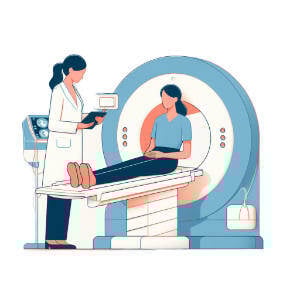
  7. Insurance is essential for radiologic technologistsInadequate Documentation: Accurate documentation of the imaging process, patient positioning, settings used, and any anomalies observed during the procedure is crucial. Inadequate or inaccurate documentation can lead to questions about the quality and appropriateness of the imaging procedure. This can potentially implicate the technologist in malpractice claims.

Malpractice, radiologic technologist insurance or X-ray technicians liability insurance provides financial protection against claims of negligence or malpractice. It covers legal defense costs, settlements, and judgments. For imaging technicians and radiology technicians, liability insurance is essential for mitigating the financial and professional risks associated with their work.

Homewood Insurance Group work with different insurance companies to source the most suitable coverage at the best price. Get a Quick quote on your insurance today.

High-Risk Procedures and their Impact on your Premiums

Procedure / Service Description & Risks Insurance Impact
Fluoroscopy-Guided Procedures Assisting with angiography, pain injections, or catheter-based interventions; increased radiation exposure and positioning risks. +30–50% premium increase; may require specific endorsements and proof of supervision.
CT or MRI with Contrast Administration Potential for allergic reactions, extravasation injuries, or mis-screening. 20–40% surcharge depending on volume, patient population, and state regulations.
Portable or Mobile Imaging Higher risk of equipment accidents, patient falls, and uncontrolled imaging environments. 15–30% higher premiums; GL exposure increases for mobile technologists.
Pediatric or High-Risk Patient Imaging Movement or cooperation issues leading to repeat imaging, over-exposure, or injury. 10–25% premium increase; carriers may request additional safety protocols.
Radiation Dose Deviations Incorrect parameters, prolonged exposure, or failure to follow ALARA principles. May trigger exclusions or higher deductibles if previous claims exist.
Unauthorized Invasive Procedures Performing venipuncture or contrast administration without proper training or oversight. Possible declination or refusal to renew if outside licensure or facility scope.

⬆ Back to contents

What Types of Insurance do Radiologic Technologists Need?

 
General Liability Insurance

General Liability Insurance

This is necessary for radiologic technologists with their own facilities. It  covers medical expenses and attorney fees resulting from bodily injuries and property damage your facility or organization could be legally responsible for.
 
 
Business owner's policy (BOP insurance)

Business owner's policy (BOP) insurance

A Business Owner’s Policy (BOP) is a comprehensive insurance package designed for Medical Professionals with small to medium-sized businesses. It provides a blend of liability protection and property insurance.
 
 
Professional Liability Insurance

Professional Liability Insurance

Professional Liability Insurance overs any negligence or mistakes made by the individual medical professional during their practice. It differs from General Liability insurance, which covers the practice itself.
 
 
Commercial Auto Insurance

Commercial Auto Insurance

This is relevant for radiologic technologists who use a vehicle for your practice-related tasks. This insurance covers you against auto accidents, theft, and other vehicle-related incidents.
 
 
workers compensation insurance

Workers Compensation Insurance

Workers Compensation Insurance is usually mandated by law, to protect radiologic technologist practices and their employees in case of work-related injuries or illnesses.
 
 
Cyber Liability Insurance

Cyber Liability Insurance

Covers you against financial losses associated with data breaches, cyber attacks, and other cyber incidents. Insurers will usually conduct rigorous testing of your online system to fix vulnerabilities as part of this policy.
 
MedPro Group
Core Specialty
CNA Logo
Travelers Insurance
CFC Underwriting
Applied Underwriters
Tokyo Marine Insurance Group
crum-forster-bw
AIG Insurance
Ironshore
Strategic Comp
MagMutual
Genstar
Beazley
Empro Insurance
Great American Insurance
Skyward Specialty Insurance
Hudson Insurance Group
Huntersure Insurance
MIG Insurance
Kinsale Insurance

Why Work With Homewood

Radiologic technologists can face unexpected underwriting hurdles when applying for coverage—especially when contrast, mobile imaging, or advanced modalities are involved. Homewood ensures nothing is overlooked.

We help you:

  • Match with carriers that understand diagnostic imaging and fully cover your modality, contrast use, and workplace setting.
  • Strengthen applications by reviewing your protocols, safety training, radiation-dose documentation, and supervision structure.
  • Prevent hidden exclusions, especially for contrast administration, mobile imaging, and high-risk patient handling.
  • Secure competitive pricing with access to multiple carriers that specialize in imaging-related liability coverage.
  • Protect your career during transitions with options for tail coverage, prior acts, and multi-facility practice.

Call 947-274-3093 or
Fill Out the Form

Ralph Schiller

Ralph Schiller

Ralph specializes in sourcing the most suitable insurance for Radiologic Technologists at the best price. You can call him or fill out the form and he will get your message directly.